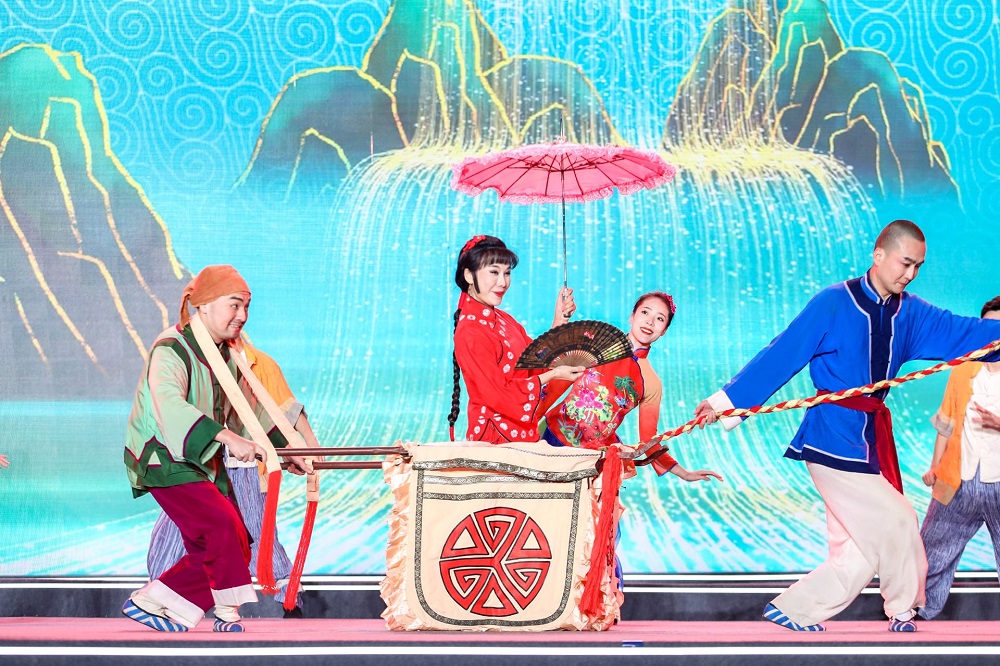
Chuju Opera
Introduction
Chuju Opera, one of the main local opera forms in Hubei province, is a vibrant and cherished part of the region's cultural heritage. Originating from the areas of Huangpo and Xiaogan in Hubei, this form of opera is renowned for its artistic characteristics, which include a fresh and lively presentation, exquisite elegance and a strong flavor of everyday life, making it easily understandable and relatable to audiences.
History
Chuju Opera has a rich and storied history that reflects the cultural evolution of Hubei province. Its roots can be traced back to the early stages of the Huang Xiao Flower-drum, a performance style from the prefectures of Huangpo and Xiaogan. Throughout its history, Chuju Opera has been shaped by the socio-cultural context of Hubei, drawing from local traditions and influences to create a unique form of artistic expression.
The Hubei Chuju Opera Theater has been pivotal in preserving this historical art form. Since its inception, the theater has not only maintained the traditional repertoire but has also embraced innovation by adapting modern themes and narratives.
Characteristics
Musical Elements
The music of Chuju Opera is integral to its performance, providing a rich auditory backdrop that enhances the storytelling. The musical compositions are known for their melodic beauty and rhythmic complexity, which help to convey the emotional depth of the narrative. Traditional Chinese instruments, alongside vocal performances, play a crucial role in creating the distinctive sound of Chuju Opera.
Performance Style
Chuju Opera's performance style is characterized by its dynamic and expressive nature. The performers engage in a variety of theatrical techniques, including song, dance and dramatic acting, to bring the stories to life. The lively and engaging performances are designed to captivate audiences, making the opera accessible and enjoyable for a wide range of viewers.
Costumes and Makeup
The costumes and makeup used in Chuju Opera are elaborate and visually striking, contributing to the overall spectacle of the performance. The costumes are typically colorful and ornate, reflecting the characters and settings of the opera. Makeup is used to enhance the facial expressions of the performers, allowing them to convey a range of emotions and character traits.
Modern Revival and Promotion
In recent years, there has been a concerted effort to revive and promote Chuju Opera, ensuring its continued resonance with contemporary audiences. The Hubei Chuju Opera Theater has been at the forefront of these initiatives, creating new operas and adapting existing works to reflect modern themes and sensibilities.
The modern revival of Chuju Opera also involves educational and outreach programs aimed at fostering appreciation and understanding of this traditional art form. By engaging with schools and community organizations, these programs seek to introduce Chuju Opera to new generations, ensuring its preservation and continuation. The promotion of Chuju Opera as a vibrant and dynamic cultural expression is a testament to its enduring significance and the dedication of those who work to keep it alive.








